
Common Signs an Existing Dental Crown Should Be Evaluated
Learn which changes in comfort, appearance, and function may mean a dental crown needs a professional examination.
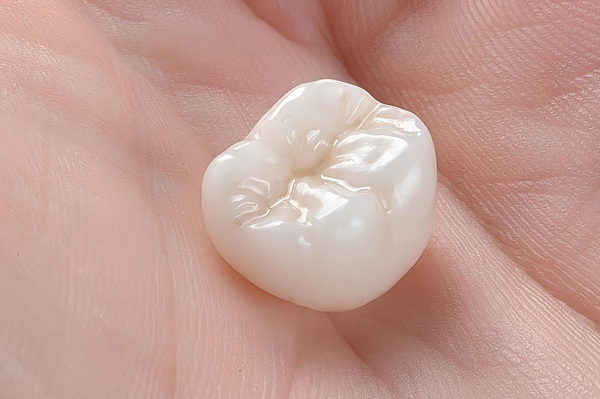
A dental crown is designed to cover and protect a tooth that has been weakened by decay, a large filling, a fracture, or certain dental procedures. With daily chewing, temperature changes, and normal wear, even a well-made crown can eventually need attention. A crown may still look acceptable from the outside while changes develop at its edge, in the tooth beneath it, or in the surrounding gum tissue.
If you have a crown, paying attention to new symptoms can help you schedule an examination before a smaller concern becomes more complicated. At Advanced Family Dentistry in Tucson, a dentist can examine the crown, the tooth it covers, and the tissues around it to help determine what is causing the change and discuss appropriate next steps.
New Pain or Sensitivity Around the Crown
Occasional mild sensitivity can have many causes, but new or persistent discomfort around a crowned tooth deserves an evaluation. You may notice pain when biting, sensitivity to hot or cold foods, or an ache that seems to come and go. Some people only notice discomfort after chewing something firm.
A crown protects the visible portion of a tooth, but it does not make the underlying tooth or nearby gums immune to problems. Sensitivity may be related to the bite, gum recession, a crack, changes near the crown margin, or another issue that needs professional assessment. It is especially important to schedule a visit if discomfort is getting worse, lasts after the temperature source is gone, or makes it difficult to eat normally.
Pain When Biting or Chewing
A crown should generally feel like a natural part of your bite. If you begin to feel a sharp twinge, pressure, or soreness when you chew, do not assume it will resolve on its own. Pain on biting can happen when the crown is damaged, when the bite has changed, or when the tooth and supporting structures need attention.
Try to notice whether the discomfort occurs with all foods or only with crunchy, sticky, or firm foods. Avoid repeatedly testing the tooth by chewing hard items on it. An examination can help identify whether the crown needs adjustment, repair, replacement, or whether another dental concern is involved.
A Loose Crown or a Change in How It Feels
A crown should not rock, lift, or shift when you eat. If it feels loose, catches when you floss, or seems slightly higher or different than it used to, arrange a dental visit. A loose crown can allow food and bacteria to collect around or beneath its edges. It may also come off unexpectedly.
If a crown comes out, keep it in a clean container and contact the dental office for guidance. Do not use household glue or attempt to permanently reattach it yourself. The crown and tooth both need to be examined before a dentist can determine whether it can be recemented or whether another treatment is more appropriate.
A Crack, Chip, Rough Edge, or Worn Surface
Dental crowns are durable, but they can chip, crack, or wear over time. You might see a visible line, feel a rough or sharp edge with your tongue, or notice that the crown no longer has a smooth chewing surface. A small chip may not always cause pain, but it can affect comfort, function, and the way the crown meets the adjacent teeth.
Grinding or clenching may contribute to wear, particularly if you wake with jaw soreness or notice flattened areas on several teeth. A dentist can evaluate the crown and your bite, then discuss ways to protect your teeth and dental work if grinding is suspected.
Changes at the Gumline
Look at the gum tissue where the crown meets the tooth. Redness, swelling, tenderness, bleeding during brushing or flossing, or a persistent bad taste near one crown are all reasons to schedule an examination. These signs do not point to only one cause, but they can indicate that the area needs closer attention.
You may also notice a dark line near the base of an older crown. Sometimes this is an appearance concern related to the crown material or gum changes. In other cases, the margin needs to be checked for wear, separation, or decay near the edge. A professional examination can distinguish between cosmetic changes and concerns that may require treatment.
Food Frequently Getting Stuck
Food can occasionally lodge between any teeth, but a new pattern around a crown is worth mentioning. If floss shreds, catches, or will not pass through normally near the crown, the contact with the neighboring tooth or the crown edge may need evaluation. Food trapping can irritate gums and make it harder to keep the area clean.
Continue gentle daily brushing and flossing, but do not force floss through a tight or damaged area. Tell the dental team exactly what you are experiencing, including whether the problem began after a particular food, dental treatment, or change in your bite.
Changes in Appearance or Function
A crown may need attention if it has become noticeably darker, lighter than surrounding teeth, stained at the edges, or visibly different in shape. While some color differences are cosmetic, a new change can be useful information for your dentist. Similarly, if speech feels different, your bite no longer comes together comfortably, or you avoid chewing on that side, an evaluation can help clarify why.
Routine dental visits are also a helpful time to have existing crowns checked, even when they feel fine. During an examination, the dentist can assess the crown’s fit, its edges, the health of nearby gums, and the tooth supporting it. Dental X-rays may be recommended when needed to evaluate areas that cannot be seen directly.
When to Schedule an Examination
Contact Advanced Family Dentistry at 5209 N Oracle Rd in Tucson if an existing crown feels loose, breaks, causes new discomfort, affects chewing, or is accompanied by gum changes. Bringing concerns to the office early gives the dental team an opportunity to examine the area and explain your options. Avoid delaying care simply because the crown itself appears intact.
This article provides general dental information and is not a diagnosis or a substitute for a personal dental examination. If you have pain, swelling, a damaged crown, or questions about treatment choices, schedule an appointment with a qualified dental professional for individualized guidance.
Learn more about our Dental crowns services.
To schedule an examination with Advanced Family Dentistry, call (520) 293-9277 or book online.