
How Preventive Dental Care Supports Long-Term Oral Health
Learn how routine dental visits, daily home care, and early attention to changes can help protect your smile over time.
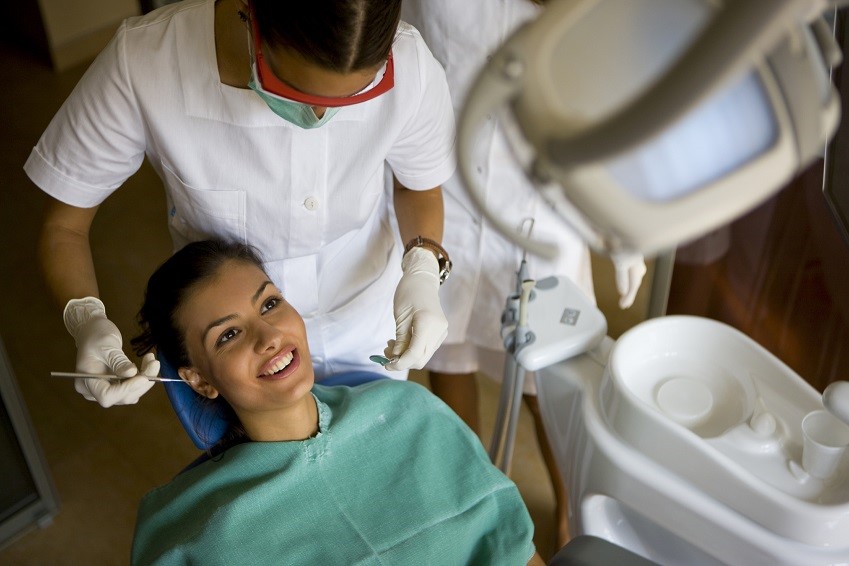
Oral health is built through everyday choices and regular professional care. Preventive dental care focuses on helping you maintain healthy teeth and gums before small concerns become more complicated. It includes home habits such as brushing and cleaning between teeth, along with dental examinations and cleanings based on your individual needs.
At Advanced Family Dentistry, 5209 N Oracle Rd in Tucson, preventive care is an important part of helping patients of many ages care for their smiles over the long term. Prevention does not mean every dental concern can be avoided. It does mean that consistent care can support earlier detection, clearer guidance, and timely treatment conversations when they are needed.
What preventive dental care includes
Preventive care is not limited to one appointment or one product. It is an ongoing approach that combines what you do at home with the care you receive in the dental office. Your dentist and dental team can recommend a schedule and services that fit your oral health history, current findings, habits, and treatment needs.
- Dental examinations: Exams give the dental team an opportunity to look for changes involving teeth, gums, bite, restorations, and oral tissues.
- Professional cleanings: Cleanings remove plaque and hardened buildup that may be difficult to remove fully with a toothbrush and floss or other between-teeth cleaners.
- Dental X-rays when appropriate: X-rays may help the dentist evaluate areas that cannot be seen during a visual examination, including spaces between teeth and areas below the gumline.
- Personalized home-care guidance: You may receive advice about brushing technique, flossing or other interdental cleaning, fluoride products, dry mouth, diet, and oral appliances.
Why regular examinations matter
Many oral health changes begin quietly. A cavity may not cause discomfort right away, and gum inflammation can sometimes be present before a person notices bleeding, swelling, or tenderness. Regular examinations help create a record of your oral health over time, making it easier to identify changes and discuss appropriate next steps.
Early attention can often give you more options. For example, a dentist may recommend monitoring an area, adjusting home care, repairing a restoration, or discussing treatment for a tooth or gum concern. The right recommendation depends on the individual. An examination is important because symptoms alone do not always show what is happening, and the absence of symptoms does not always mean there is no concern.
Professional cleanings and gum health
Dental plaque is a sticky film that forms on teeth throughout the day. Brushing twice daily and cleaning between teeth help remove plaque at home. If plaque is not removed, it can harden into calculus, also called tartar. Once it hardens, it generally cannot be removed with regular brushing alone.
Professional cleanings help remove these deposits from areas that can be difficult to reach. They also provide a useful time to review your routine. If you find floss difficult to use, have crowded teeth, wear a bridge, or use an appliance, the dental team can help you consider practical tools and techniques.
Healthy gums are an important foundation for oral health. If you notice gums that bleed, look swollen, feel sore, or seem to be pulling away from teeth, schedule an examination. These changes can have different causes, and a dental professional can evaluate them and discuss suitable care.
Daily habits make prevention work
Your daily routine has a lasting effect on your teeth and gums. A simple, consistent plan is often easier to maintain than an elaborate routine that is hard to follow. Consider these basic preventive habits:
- Brush your teeth twice each day with a soft-bristled toothbrush and fluoride toothpaste.
- Clean between your teeth once daily with floss, interdental brushes, a water flosser, or another option recommended for you.
- Limit frequent sipping or snacking on sugary drinks and foods, since repeated exposure can give cavity-causing bacteria more opportunities to produce acids.
- Choose water often, particularly after meals or snacks when brushing is not possible.
- Replace a worn toothbrush or brush head as needed.
- Wear a mouthguard for sports or activities where facial impacts are possible, and ask about an appliance if you clench or grind your teeth.
Diet matters, but prevention is not about perfection. It is about patterns. Choosing balanced meals, reducing frequent sugar exposure, and drinking water can support your home-care routine. If you use tobacco products, consider discussing cessation resources with a healthcare professional, since tobacco can affect oral and overall health.
Prevention can protect dental work, too
Fillings, crowns, bridges, implants, dentures, and other dental restorations need ongoing attention. They can make it possible to restore function or replace missing teeth, but they still require cleaning and monitoring. Plaque can collect around restoration edges, and changes in bite or wear may develop over time.
Routine care gives your dentist an opportunity to assess existing dental work and explain whether it appears stable or needs further evaluation. Keeping regular appointments and following home-care instructions can help you care for both natural teeth and restorations.
When to schedule an examination
Routine visits are valuable even when everything feels normal. It is also wise to arrange an examination if you have tooth pain, sensitivity that persists, bleeding gums, bad breath that does not improve with home care, a loose tooth, a broken restoration, jaw discomfort, or a noticeable change in your mouth. Do not try to diagnose the cause on your own. A dental examination can help identify what may be contributing to the change and allow you to discuss treatment choices.
A practical investment in your future smile
Preventive dental care is a partnership. Home habits support the work done in the office, and regular visits give you a chance to ask questions before concerns feel urgent. Whether it has been a short time or a long time since your last visit, scheduling an examination can be a positive step toward understanding your current oral health needs and building a realistic routine.
This article provides general medical and dental information and is not a diagnosis or a substitute for personalized professional advice. For concerns, symptoms, or questions about treatment, schedule an examination with a qualified dental professional.
Learn more about our Dental checkups services.
To schedule an examination with Advanced Family Dentistry, call (520) 293-9277 or book online.